
Programs
ArtsConnect Core Programs
-
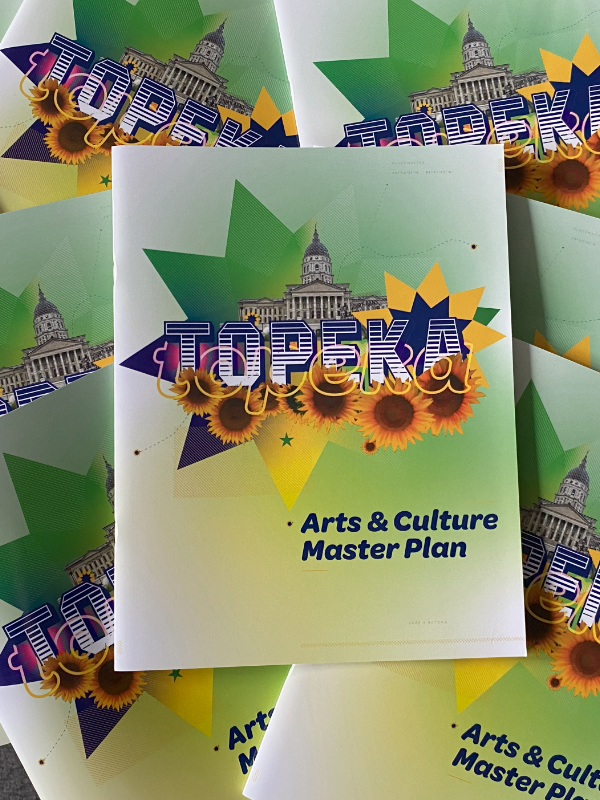
Topeka Arts & Culture Master Plan
In 2024, ArtsConnect published the Topeka Arts & Cultural Master Plan (ACMP), which emerged from months of collaborative research and with support from a diverse, multi sector steering committee. The Topeka ACMP establishes a shared vision for our creative sector and helps non-arts stakeholders understand how the arts can equitably address issues of community health, resilience, and development.
-
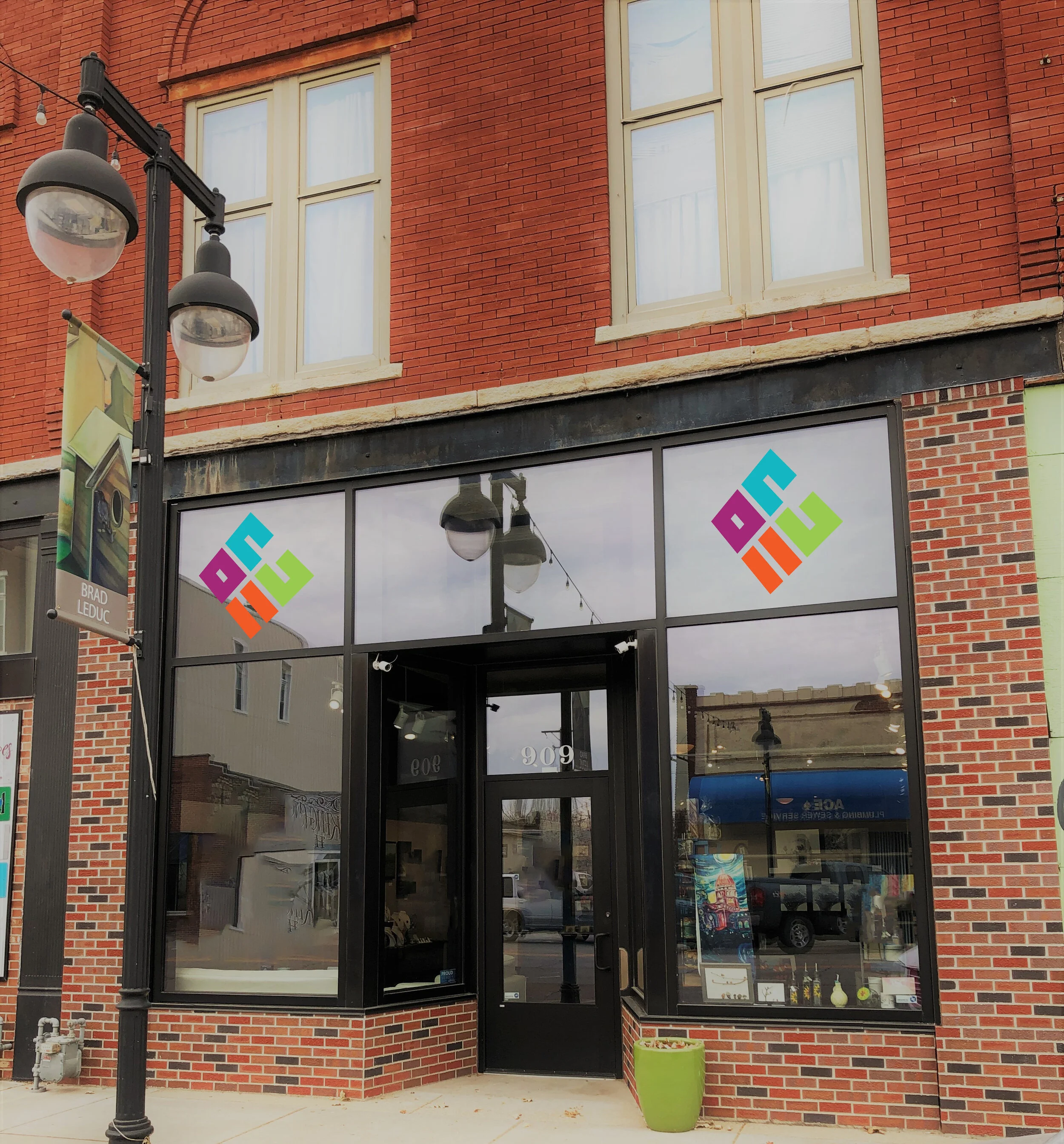
ArtsConnect Gallery
The ArtsConnect Gallery is a beautiful 3,000 square foot gallery space located in the heart of the NOTO Arts & Entertainment District. We host a rotating schedule of exhibitions, featuring the multicisciplinary work of local artists and exploring themes that engage a wide variety of audiences. ArtsConnect also facilitates a robust schedule of programming in the gallery, including performances, meetings, and workshops. We also make the space available for events coordinated by other organizations.
-
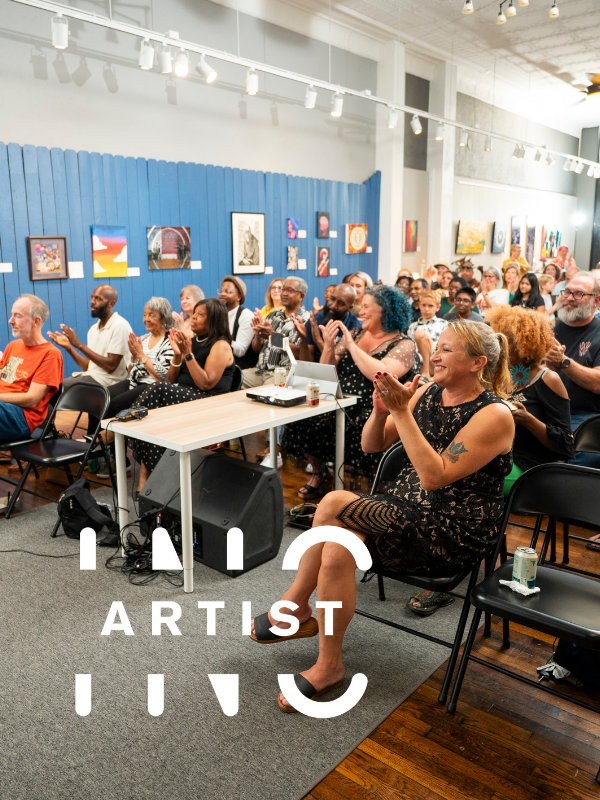
Artist INC Topeka
Presented by the Mid-America Arts Alliance and hosted locally by ArtsConnect, Artist INC Topeka connects artists of all disciplines to the tools, resources, and opportunities necessary to develop their entrepreneurial skills and strengthen their artistic practice. The program provides cutting-edge training seminars that address the specific daily business needs and challenges artists of all disciplines face. ArtsConnect will facilitate Artist INC for a fifth year in 2025.
-
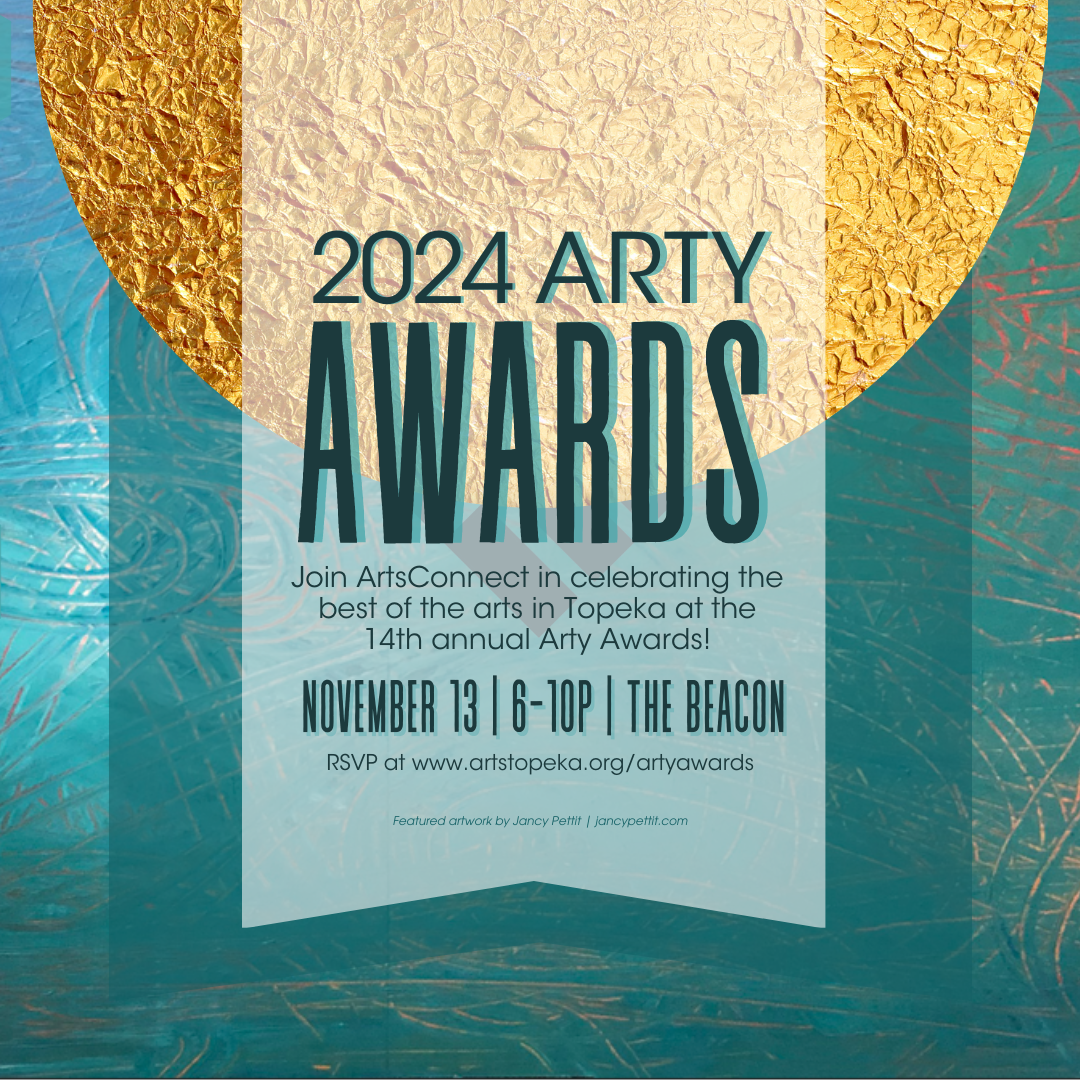
Arty Awards
ARTY AWARDS
Since 2011, the Arty Awards have served to highlight the significant depth of artists and artistic programming in Topeka. Supporting artists and helping them to broaden their audience is a critical result of this annual event. In addition, the Arty Awards serve as a fundraiser to support ArtsConnect operations and continue to help us realize our goal of being the premier arts engagement organization in Topeka. The Arty Awards are an important opportunity to connect ArtsConnect and artists with corporate partners.
-
First Friday Artwalk
The ArtsConnect First Friday Artwalk has pushed Topeka onto the national stage and fundamentally changed the culture of our city. The First Friday Artwalk continues to be a main strategic focus of ArtsConnect because it is an event that includes everyone, expands the arts, supports local businesses, and fosters a creative economy that is essential to attracting and retaining talent in Topeka.
-
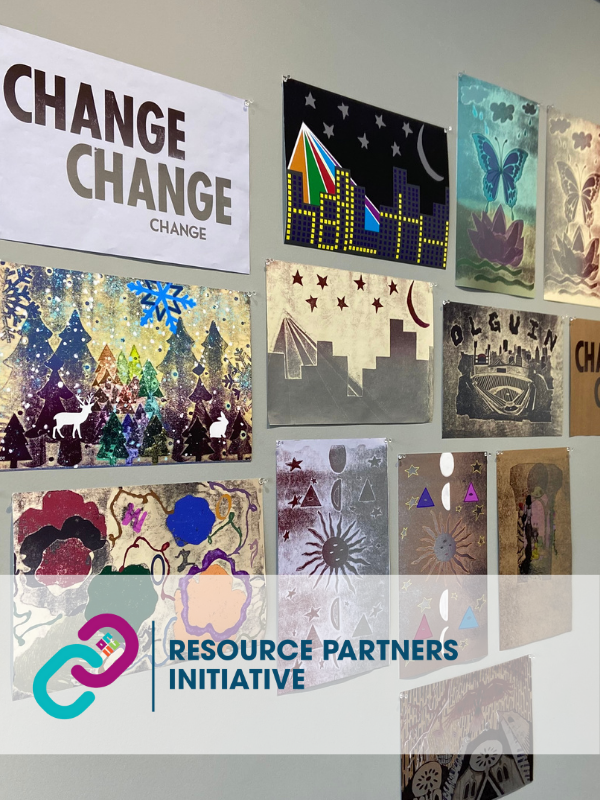
Resource Partners Initiative
The ArtsConnect Resource Partners Initiative identifies 3-4 existing art programs (“Resource Partners”) in Topeka & Shawnee County and provides them with regular, no cost access to our gallery for up to two years, along with support for their operations as needed, to help foster and expand their work. Current Resource Partners include American Regional Theater, Speak Easy Poets, and Visual Artists of Topeka.
-
TopArts Grant Program
The TopArts Grant Program supports initiatives that increase access to arts education opportunities, cultural events and public art. Funding is focused on fostering both emerging and existing arts programs in Topeka. This program is funded with dollars from the City of Topeka General Fund. Our 2025 grantees include Aaron Douglas Art Fair, Kansas Book Festival, Ross Elementary School PTO, Shawnee Choral Society, Sunflower Music Festival, TARC, and 45 Grados de Flamenco, as well as project by local artists including Lisa LaRue-Baker and Annette Billings.
-
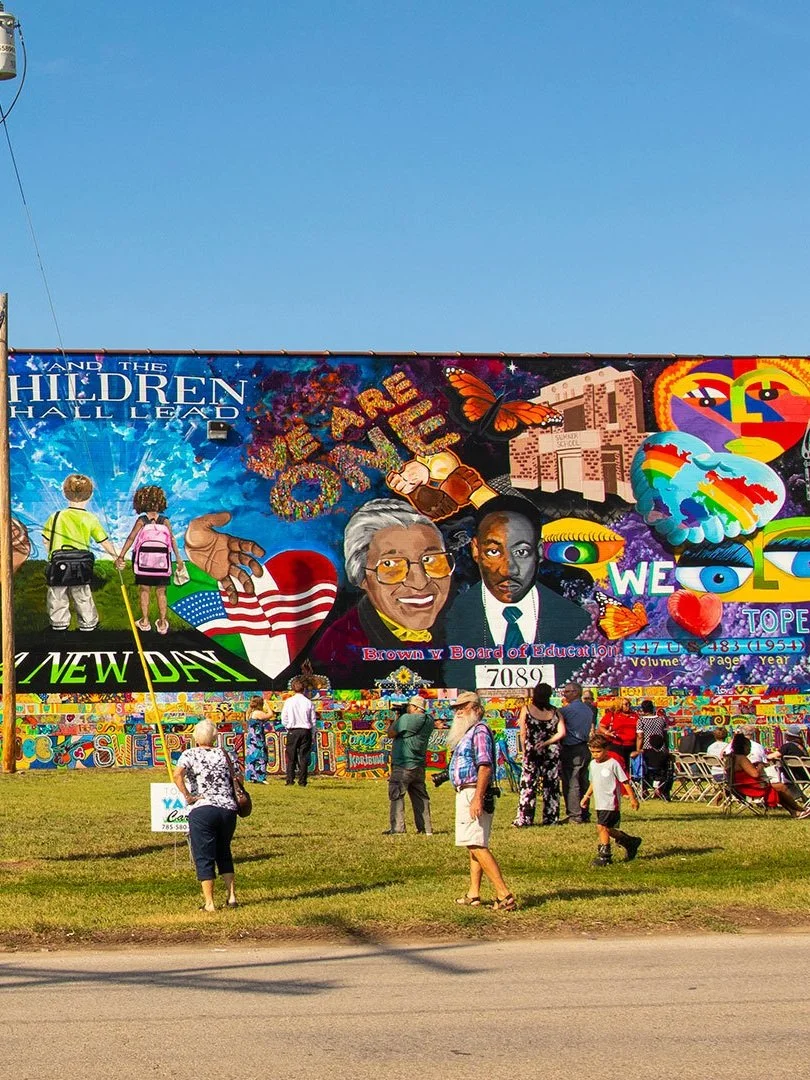
Topeka Mural Project
Community beautification benefits everyone. We are the only organization in Topeka with the capacity to facilitate large scale public artwork on an ongoing basis. These works of art support our neighborhoods, decrease crime, increase economic viability, and encourage community engagement. The Topeka Mural Project is transformative for our community and provides a unique opportunity to discuss the critical importance of public art in developing community pride and health.